- 415 Fletcher Pkwy, El Cajon, CA 92020 Suite #401
- info@zoofilist.com

Office Address
415 Fletcher Pkwy, El Cajon,
CA 92020 Suite #401
PO BOX
2150 Comstock St, #710384 San Diego, CA. 92111
Smart Way Services Inc.
Email Address
info@zoofilist.com



Winter Prep for Pets: Keeping Them Safe as Temperatures Drop
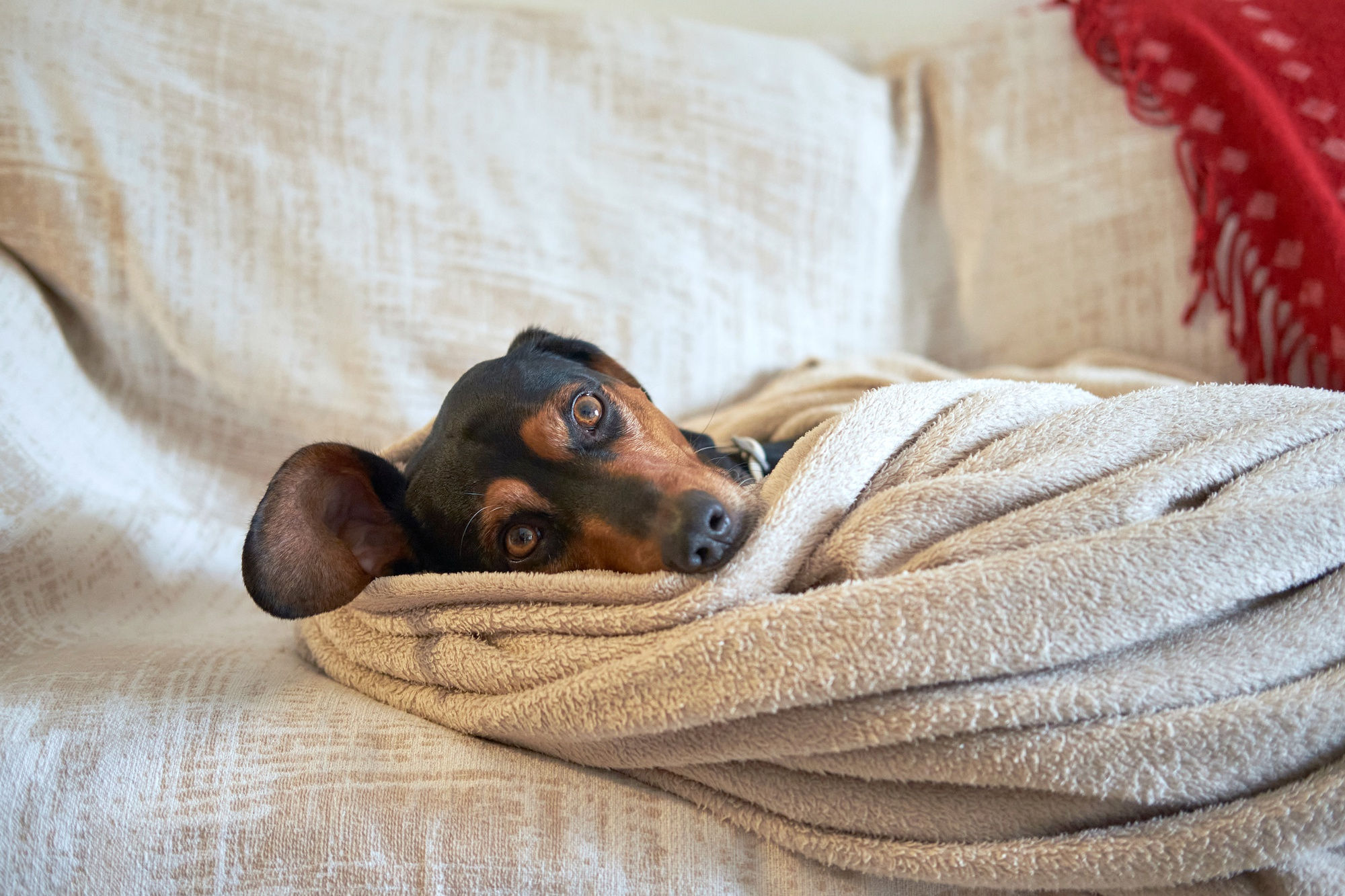
As temperatures begin to fall, pet owners need to think beyond cozy blankets and warm beds. Cold weather can create new challenges for pets, including risks from freezing temperatures, dry air, icy surfaces, and seasonal changes in activity levels. Whether you have an energetic dog who loves outdoor adventures or a cat who prefers staying warm indoors, preparing ahead can help keep your furry family member safe, comfortable, and healthy throughout the winter months. Pets experience cold weather differently depending on their size, breed, age, coat type, and overall health. While some animals are naturally better equipped for colder temperatures, others may need extra protection. Pets at higher risk during winter include: Short-haired dogs and cats Puppies and kittens Senior pets Small breeds Pets with health conditions Cold temperatures can contribute to problems such as hypothermia, frostbite, dry skin, and joint discomfort. Understanding your pet’s individual needs is the first step toward proper winter care. Not every pet needs the same level of protection during winter. A thick-coated dog may happily play in the snow, while a small or short-haired dog may start shivering quickly. Helpful cold-weather tips include: Limit outdoor time during freezing temperatures Use sweaters or jackets for pets that get cold Avoid leaving pets outside unattended Provide warm shelter if outdoor access is necessary If the weather feels too cold for you, it may be too cold for your pet as well. Pets rely on their environment to help regulate body temperature. During colder months, make sure your home provides comfortable resting areas. Consider: Providing a soft, warm bed away from drafts Keeping pets away from cold floors Adding extra blankets for comfort Creating a quiet resting space Cats especially enjoy warm, elevated areas where they can relax and observe their surroundings. A comfortable sleeping area can make winter days much more enjoyable—especially for pets who believe every blanket in the house belongs to them. Winter walks can expose pets to hazards like ice, snow, and sidewalk salt. These substances can irritate paw pads and may be harmful if licked. After outdoor activities: Wipe your pet’s paws with a damp towel Check between paw pads for ice buildup Use pet-safe ice melt products Consider protective booties for snowy conditions Regular paw checks can help prevent cracking, irritation, and painful injuries. Knowing the warning signs of cold-related health problems can help you act quickly. Signs of hypothermia may include: Shivering Weakness Lethargy Slow breathing Difficulty walking Frostbite commonly affects areas with less fur, such as: Ears Nose Tail Paw pads If you notice pale, bluish, swollen, or painful areas, contact your veterinarian for guidance. Cold weather does not mean pets should stop being active. Exercise remains important for physical and mental health, but activities may need to be adjusted. Winter exercise tips: Take shorter walks during extreme cold Play indoor games when weather is unsafe Use puzzle toys for mental stimulation Monitor your pet for signs of discomfort Keeping pets active helps prevent boredom, weight gain, and stress during months when outdoor time may be limited. Many pet owners forget that hydration remains important during winter. Pets still need access to fresh water, even when temperatures drop. Also consider your pet’s activity level. Outdoor pets may require more calories during cold weather, while indoor pets may need adjusted portions if they become less active. A balanced diet supports healthy skin, a strong immune system, and overall wellness throughout the season. Cold weather brings additional household risks. Antifreeze is one of the most dangerous substances for pets because even small amounts can be extremely toxic. Keep pets safe by: Cleaning antifreeze spills immediately Storing chemicals securely Keeping heaters and fireplaces supervised Avoiding unsafe heating devices Warmth is important, but safety comes first. Winter preparation for pets is about creating a balance between comfort, safety, and healthy routines. By protecting paws, providing warmth, adjusting activities, and watching for cold-weather risks, you can help your pet enjoy the season safely. Your pet may not understand why winter requires extra precautions—but they’ll definitely appreciate the warmer bed, extra attention, and maybe a few more cozy cuddle sessions.Winter Prep for Pets: Keeping Them Safe as Temperatures Drop
Why Winter Safety Matters for Pets
Protect Your Pet From Cold Temperatures
Create a Warm Indoor Environment
Protect Paws From Ice and Salt
Watch for Signs of Hypothermia and Frostbite
Adjust Exercise During Winter
Maintain Proper Nutrition and Hydration
Be Careful With Winter Hazards
Final Thoughts