- 415 Fletcher Pkwy, El Cajon, CA 92020 Suite #401
- info@zoofilist.com

Office Address
415 Fletcher Pkwy, El Cajon,
CA 92020 Suite #401
PO BOX
2150 Comstock St, #710384 San Diego, CA. 92111
Smart Way Services Inc.
Email Address
info@zoofilist.com



How to Tell If Your Pet Is Sick: Key Signs to Watch For
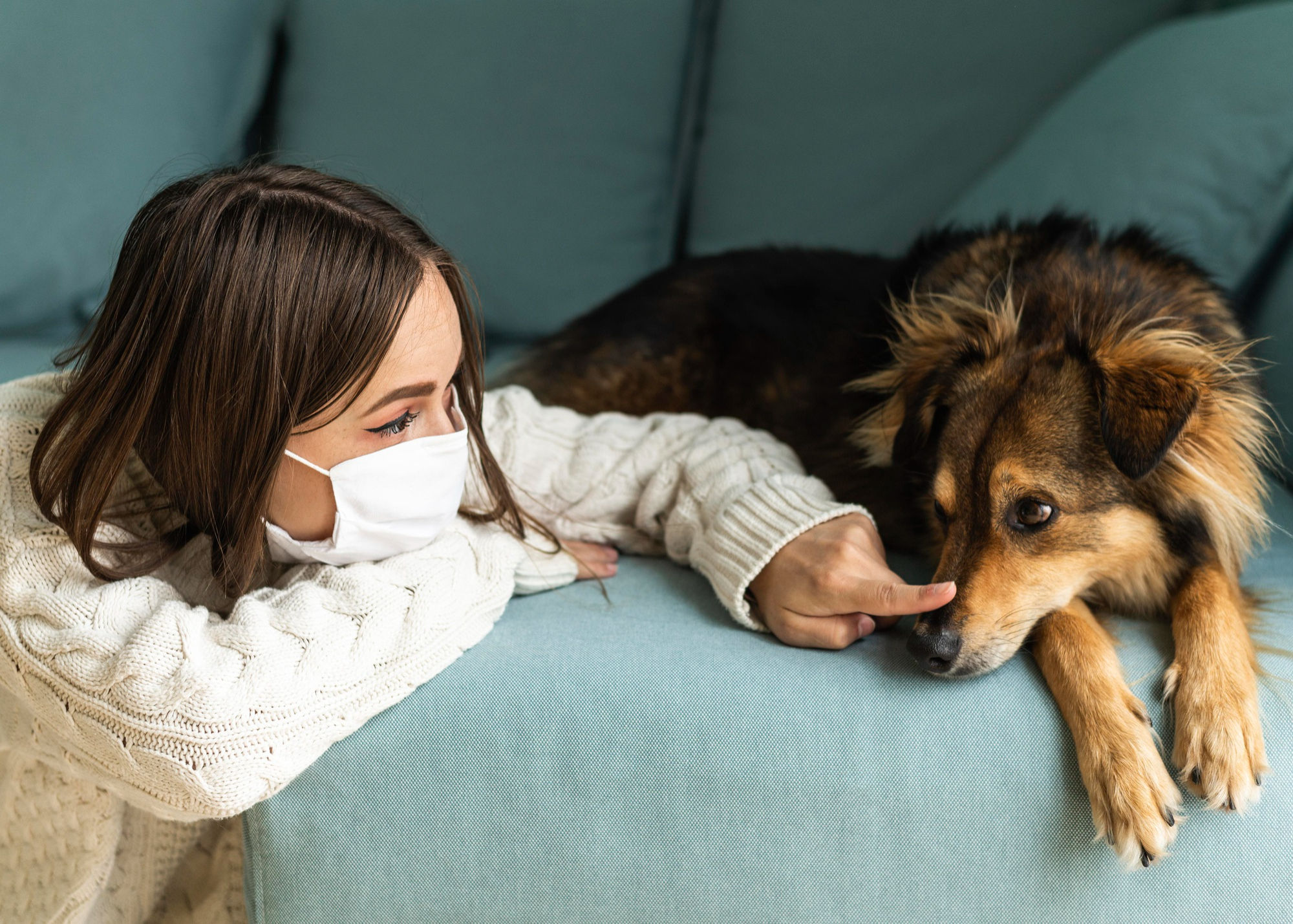
Pets can’t tell us when something feels wrong, which is why recognizing early signs of illness is one of the most important parts of responsible pet care. Dogs and cats often hide discomfort instinctively, meaning subtle changes in behavior or routine may be the first clue that your pet needs help. Knowing what to watch for can help pet owners act quickly, prevent complications, and give pets the care they need before small issues become serious. Catching health problems early can improve treatment outcomes, reduce veterinary costs, and prevent unnecessary suffering. Many illnesses become easier to manage when identified in their early stages. Regular observation is especially important for senior pets, puppies, kittens, and pets with chronic conditions. Even healthy-looking pets can develop underlying issues that aren’t immediately obvious. Whether you’re caring for a pet at home or using professional pet care services in California, paying attention to small behavioral and physical changes can make a major difference. One of the earliest signs of illness is a sudden change in eating or drinking habits. Watch for: Loss of appetite Increased thirst Difficulty chewing Sudden weight loss or gain A pet skipping one meal may not always be an emergency, but ongoing appetite changes should never be ignored. Excessive drinking can also signal conditions such as diabetes, kidney disease, or hormonal imbalances. You know your pet’s personality best. If your normally playful dog suddenly becomes withdrawn or your energetic cat starts hiding more often, it could indicate pain, stress, or illness. Common warning signs include: Lethargy or weakness Hiding or isolation Increased irritability Confusion or disorientation Pets often communicate discomfort through behavior long before physical symptoms become obvious. Occasional stomach upset can happen, but repeated vomiting or diarrhea should be taken seriously. Monitor for: Frequent vomiting Diarrhea lasting more than 24 hours Blood in stool or vomit Constipation Bloating Digestive symptoms may result from infections, dietary problems, parasites, or more serious medical conditions. If symptoms persist or worsen, contact your veterinarian promptly. Difficulty breathing is always a concern and should never be ignored. Warning signs include: Wheezing Persistent coughing Rapid breathing Open-mouth breathing in cats Excessive panting unrelated to heat or exercise Respiratory symptoms can point to allergies, infections, heart disease, or heat-related illness. During hot summers in California, pets may also experience overheating or dehydration, making breathing issues even more dangerous. A healthy coat is often a reflection of overall health. Skin irritation or grooming changes may indicate allergies, infections, parasites, or underlying illness. Watch for: Excessive scratching or licking Hair loss Dry or flaky skin Unusual odors Lumps or bumps Regular brushing and grooming sessions help pet owners spot changes early. Many pet owners searching for “pet grooming near me” may not realize professional groomers often notice health concerns before owners do. Changes in urination or bowel habits can signal medical problems. Pay attention to: Accidents in the house Straining to urinate Increased urination Blood in urine Changes in stool consistency These symptoms may indicate urinary tract infections, digestive issues, kidney disease, or other health concerns. If something feels “off” about your pet, trust your instincts. Pet owners are often the first to notice subtle changes that others might miss. At Zoofilist, we believe informed pet owners create healthier, happier lives for their animals. Staying attentive to your pet’s daily habits is one of the simplest and most powerful ways to protect their well-being. Learning how to tell if your pet is sick starts with observation, consistency, and awareness. From appetite changes to unusual behavior, small warning signs can reveal bigger health issues before they escalate. When in doubt, it’s always better to contact a veterinarian early rather than wait. Your pet relies on you to notice when something isn’t right—and that attention can make all the difference. Because pets may not speak our language, but they always find ways to tell us how they’re feeling.How to Tell If Your Pet Is Sick: Key Signs to Watch For
Why Early Detection Matters
Changes in Appetite or Water Intake
Unusual Behavior or Low Energy
Vomiting and Digestive Issues
Breathing Problems and Coughing
Skin, Coat, and Grooming Changes
Bathroom Habit Changes
Trust Your Instincts
Final Thoughts