- 415 Fletcher Pkwy, El Cajon, CA 92020 Suite #401
- info@zoofilist.com

Office Address
415 Fletcher Pkwy, El Cajon,
CA 92020 Suite #401
PO BOX
2150 Comstock St, #710384 San Diego, CA. 92111
Smart Way Services Inc.
Email Address
info@zoofilist.com



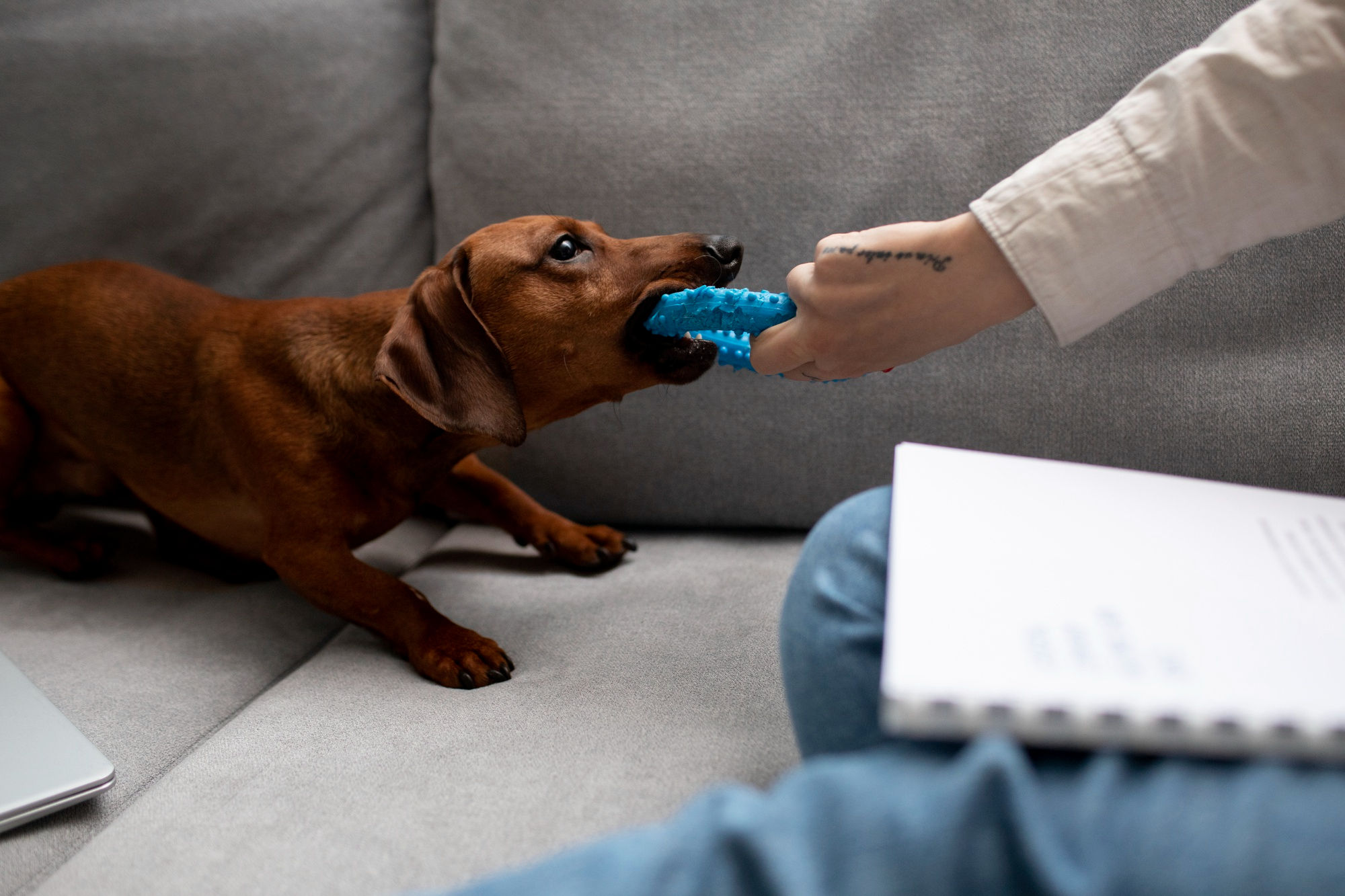
How to Stop Unwanted Chewing and Destructive Behaviors
How to Stop Unwanted Chewing and Destructive Behaviors Chewing is a natural behavior for dogs—but when it turns into shredded furniture, destroyed shoes, or torn pillows, it quickly becomes a problem. Whether you have a teething puppy or an adult dog acting out, understanding the root cause of destructive behavior is the first step to stopping it. For dog owners across the United States, addressing unwanted chewing early can save your home—and your sanity—while helping your dog develop healthier habits. Before correcting the behavior, it’s important to understand why it’s happening. Chewing isn’t random—it usually serves a purpose. Common reasons include: Teething (especially in puppies) Boredom or lack of stimulation Anxiety or stress Excess energy Curiosity and exploration Identifying the cause helps you choose the most effective solution. Dogs need an outlet for their chewing instincts. The goal isn’t to stop chewing completely—it’s to redirect it. Offer: Durable chew toys Rubber toys or dental chews Rotating toys to keep things interesting When your dog chooses the correct item, reward them immediately. This reinforces what’s acceptable to chew. A tired dog is far less likely to destroy your living room. Many destructive behaviors stem from excess energy that hasn’t been properly released. Daily exercise should include: Walks or runs Fetch or active play Structured outdoor time High-energy breeds may need more intense activity, while lower-energy dogs benefit from shorter, consistent sessions. Physical exercise alone isn’t enough. Dogs also need mental challenges to stay balanced and calm. Try: Puzzle toys Treat-dispensing feeders Training sessions Scent games Mental enrichment reduces boredom and gives your dog something productive to focus on. Prevention is just as important as training. If your dog has access to tempting items, they’re more likely to chew them. Simple adjustments include: Keeping shoes and valuables out of reach Using baby gates to limit access Supervising your dog in new areas Crate training when unsupervised Setting your dog up for success reduces the chances of unwanted behavior. Destructive chewing often happens when dogs are left alone. This can be a sign of separation anxiety rather than simple boredom. Watch for: Chewing near doors or windows Excessive barking or whining Restlessness when you leave To help: Practice short departures and gradual increases Leave interactive toys when you’re gone Maintain a calm routine when leaving and returning In more severe cases, professional guidance may be needed. Punishing your dog after the fact doesn’t work—they won’t connect the behavior to the consequence. Instead, focus on teaching what to do. Reward good behavior consistently Redirect immediately when you catch unwanted chewing Stay calm and consistent Positive reinforcement builds trust and leads to lasting results. Puppies explore the world with their mouths, and new dogs may take time to adjust to their environment. Expect some mistakes along the way. Consistency, supervision, and patience will gradually shape better habits. If destructive behavior continues despite your efforts, consider working with a professional trainer or behaviorist. Persistent chewing may be linked to deeper anxiety or unmet needs. Early intervention can prevent the behavior from becoming a long-term habit. Stopping unwanted chewing and destructive behavior isn’t about eliminating your dog’s instincts—it’s about guiding them in the right direction. With proper exercise, mental stimulation, clear boundaries, and positive reinforcement, your dog can learn what’s acceptable and what’s not. Because at the end of the day, your dog isn’t trying to ruin your home—they’re just trying to cope, explore, or burn energy. And with the right approach, you can turn chaos into calm (and keep your favorite shoes safe).Why Dogs Chew
Provide Appropriate Chew Alternatives
Increase Physical Exercise
Add Mental Stimulation
Manage the Environment
Address Separation Anxiety
Use Positive Reinforcement, Not Punishment
Be Patient with Puppies and New Dogs
When to Seek Help
Final Thoughts