- 415 Fletcher Pkwy, El Cajon, CA 92020 Suite #401
- info@zoofilist.com

Office Address
415 Fletcher Pkwy, El Cajon,
CA 92020 Suite #401
PO BOX
2150 Comstock St, #710384 San Diego, CA. 92111
Smart Way Services Inc.
Email Address
info@zoofilist.com


Potty Training 101: Tips for Puppies and Older Dogs
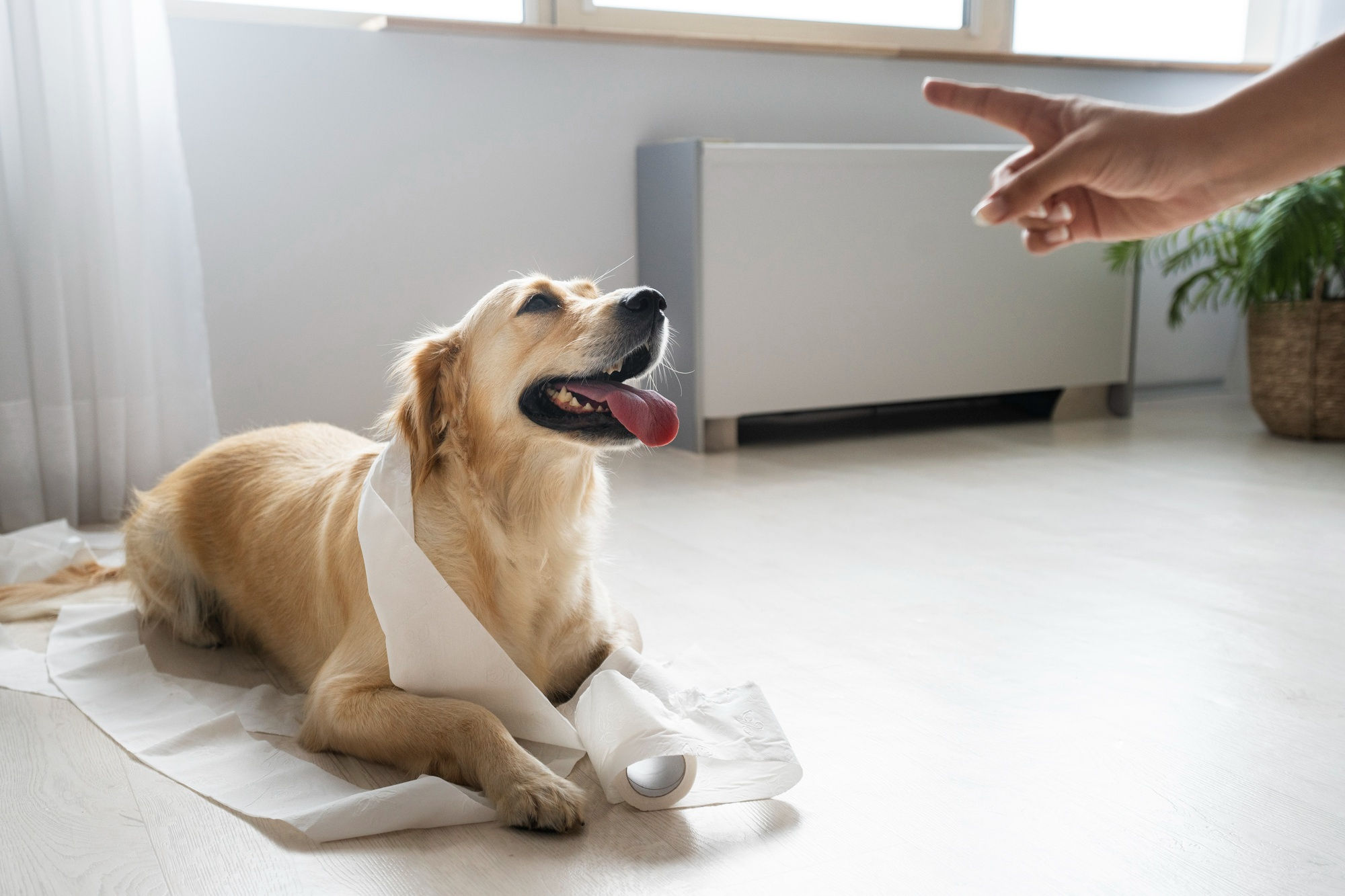
Potty Training 101: Tips for Puppies and Older Dogs Potty training is one of the first—and most important—steps in raising a well-adjusted dog. Whether you’re welcoming a young puppy or helping an older dog learn new habits, consistency and patience are key. While accidents are part of the process, a clear plan can make potty training smoother and less stressful for both you and your pet. For dog owners across the United States, establishing reliable bathroom habits early helps create a cleaner home and a more confident, comfortable dog. Potty training isn’t just about convenience—it’s about communication. Teaching your dog where and when to go helps them understand expectations and reduces anxiety. Proper training can: Prevent accidents in the home Build trust between you and your dog Create a predictable routine Support overall behavior and discipline Dogs thrive when they know what’s expected of them. Routine is everything when it comes to potty training. Dogs learn fastest when they follow a predictable daily schedule. Take your dog outside: First thing in the morning After meals After naps After playtime Before bedtime Puppies may need to go every 1–2 hours, while older dogs can typically hold it longer. Consistency helps their bodies adjust and reduces confusion. Taking your dog to the same spot each time helps reinforce the behavior. Familiar smells signal that it’s the right place to go. When your dog uses the correct spot: Praise immediately Offer a small treat Use a consistent cue like “go potty” Positive reinforcement makes the connection clear and encourages repetition. Learning your dog’s signals can prevent accidents before they happen. Common signs include: Sniffing the ground Circling Whining or pacing Heading toward the door If you notice these behaviors, take your dog outside right away. Quick responses build good habits faster. Crate training is a useful tool for potty training when used correctly. Dogs naturally avoid soiling their sleeping area, which encourages them to hold it until they’re taken outside. Tips for crate training: Choose the right crate size (not too big) Never use the crate as punishment Take your dog out immediately after letting them out Crates create structure and help prevent unsupervised accidents. Accidents will happen—it’s part of the learning process. The key is how you respond. Clean the area thoroughly to remove odors Avoid punishment or yelling Redirect your dog to the correct behavior Punishment can create fear and confusion, making training more difficult. Focus on teaching, not scolding. Older dogs can absolutely be potty trained, even if they’ve developed bad habits. The approach is similar, but patience is especially important. For adult dogs: Stick to a strict schedule Supervise closely indoors Limit access to large areas initially Reinforce success consistently If accidents persist, consider whether there may be underlying medical issues and consult a veterinarian if needed. Puppies may not be able to hold it through the night at first. Gradually increase the time between nighttime potty breaks as they grow. If you’re away for long hours: Ask a family member for help Hire a dog walker Use a designated indoor potty area temporarily Consistency during the day supports progress at night. Potty training doesn’t happen overnight. Some dogs learn quickly, while others need more time. Progress may include: Fewer accidents Clear signals when they need to go Longer periods between bathroom breaks Celebrate small wins—they add up faster than you think. Potty training is all about consistency, communication, and patience. By creating a structured routine, rewarding positive behavior, and staying calm through setbacks, you set your dog up for long-term success. Because once your dog understands the routine, life gets easier for both of you—and your floors will definitely appreciate it.Why Potty Training Matters
Start with a Consistent Schedule
Choose a Designated Potty Spot
Watch for Signs They Need to Go
Crate Training Can Help
Handling Accidents the Right Way
Potty Training Older Dogs
Nighttime and Long Absences
Stay Patient and Consistent
Final Thoughts